
Kururi-jo (Kimitsu city, Chiba)|The Satomi Clan’s Castle Overlooking the Ancient Battlefield Against the Hojo
Climbing a steep slope so exhausting it leaves you gasping for breath…
Hello everyone, this is Shin.
On Sunday, June 18, 2023,
I visited Kururi-jo in Chiba Prefecture 🚙
This castle was originally built by the Kazusa Takeda clan during the Muromachi period,
and later became a stronghold of the Satomi clan during the Sengoku era.
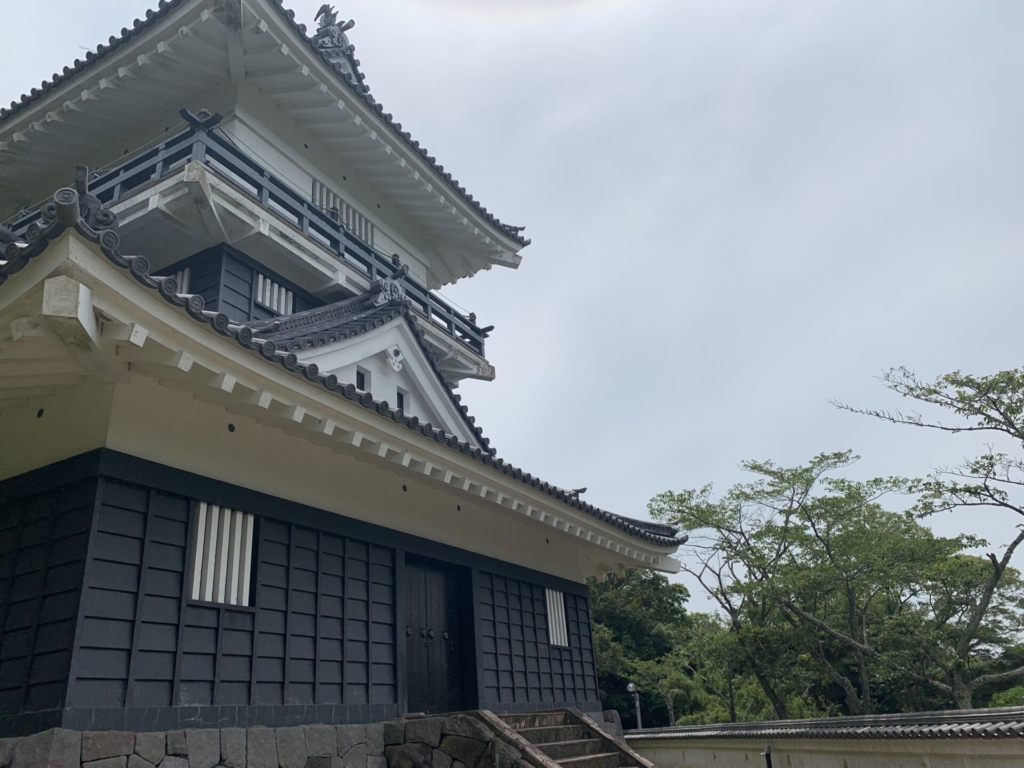
◉ Castle Type
A linked-enclosure style mountain castle ( Renkakusiki-yamajiro:連郭式山城 )
◉ Cultural Heritage Highlights
◉ Defensive Features & Fortifications
◉ Exploration Difficulty
🟡 Moderate Castles
◉ Estimated Time to walk around
: about 2 hour
◉ Parking / Access
Parking available for around 30 vehicles at the Kururi-jo parking area.
About 8 minutes by taxi from Kururi Station on the JR Kururi Line.🚃
If you visit by car, I recommend parking at the “Kururi-jo Castle Parking Area” from Route 32 above, rather than the “Kururi Shrine Parking Area” on the left side of the map.
Otherwise, you’ll have to drive uphill through a narrow tunnel from below.
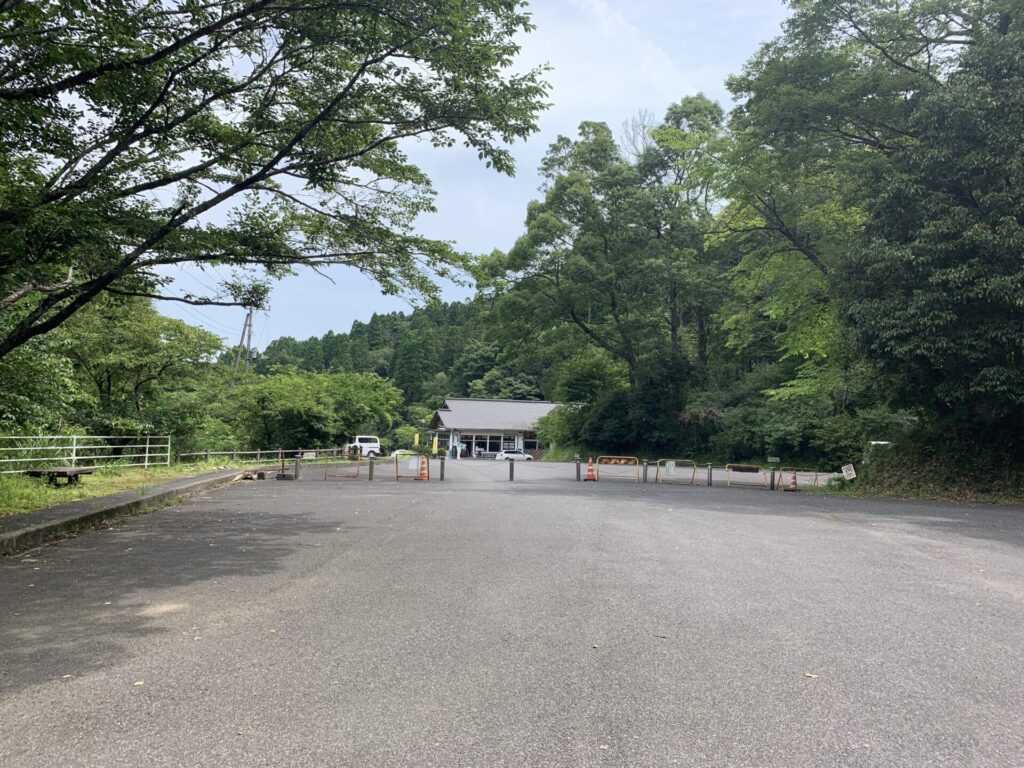
This is the parking area.
As you can see, it’s fairly spacious.
I actually used to live in Kisarazu, Chiba Prefecture,
so I’ve visited Kururi-jo several times before.
Back then, however, I didn’t know much about castle ruins,
so this time I plan to explore it more thoroughly.
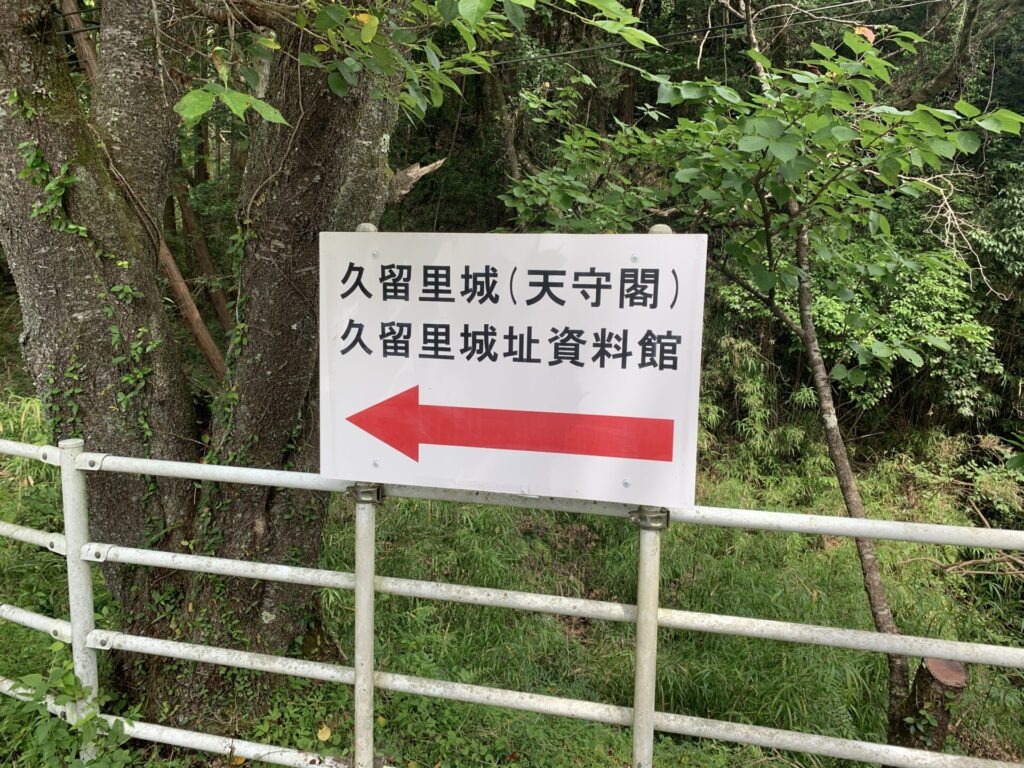
A directional sign standing in the parking area.
Most castle ruins have signs like this pointing the way,
so it’s usually hard to get lost.
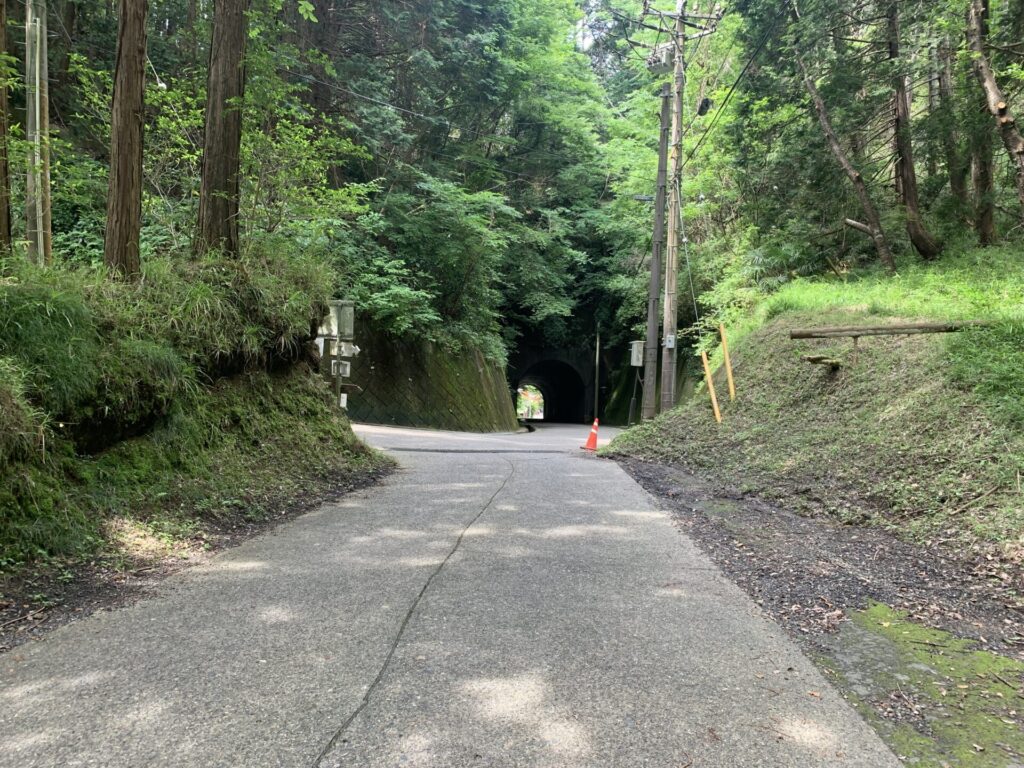
The tunnel visible in the distance is the Shiroyama Tunnel.
It’s incredibly narrow — barely wide enough for a single vehicle to pass through.
The castle ruins lie further ahead, where the road turns left and climbs uphill.
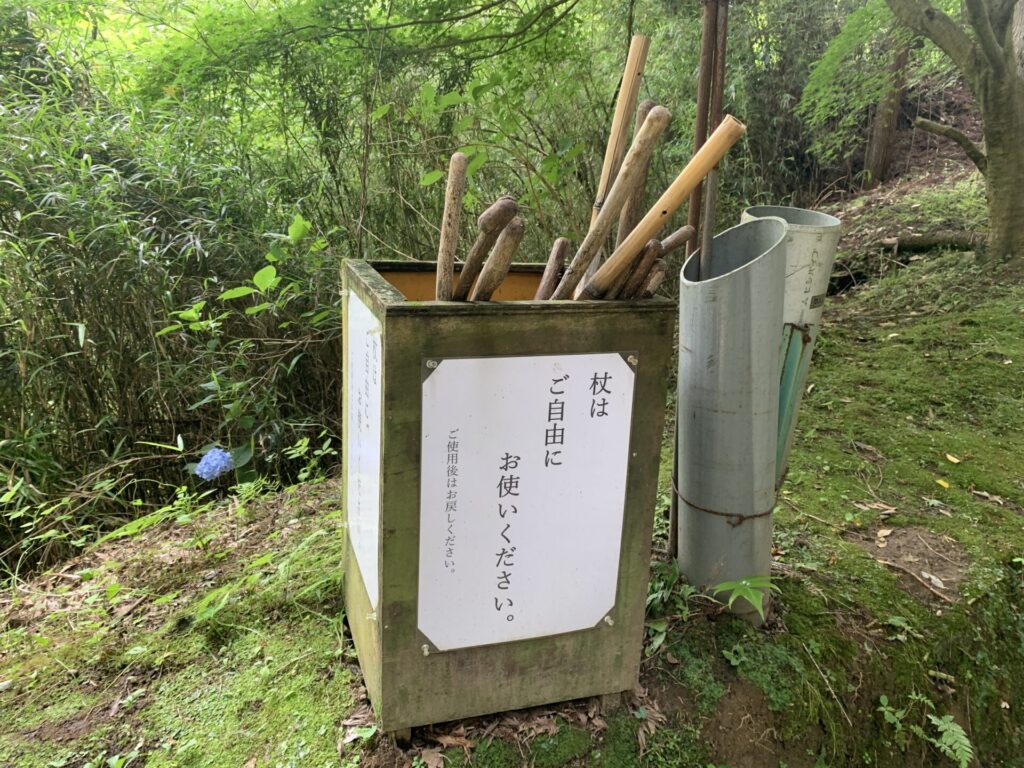
Just after turning left, I found walking sticks prepared for hikers.
There’s a good reason for such thoughtful hospitality.
The slope ahead is seriously steep 💦
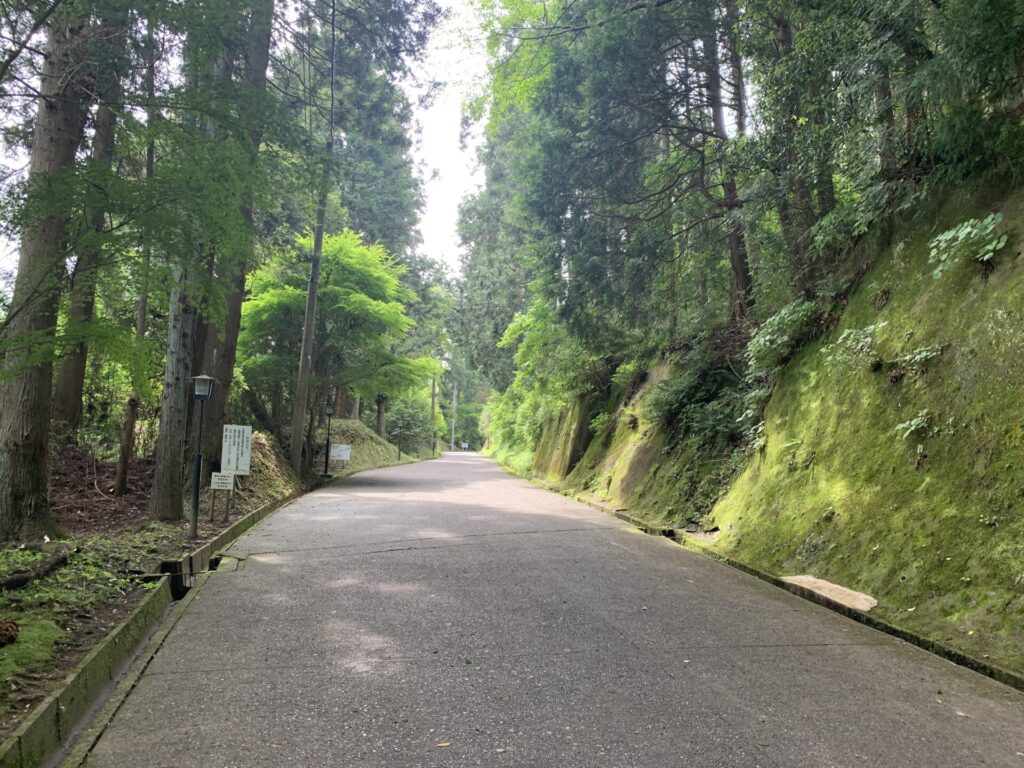
What do you think?
It may be difficult to grasp from the photos alone,
but once you actually start climbing, you really feel just how steep the slope is.. 😥
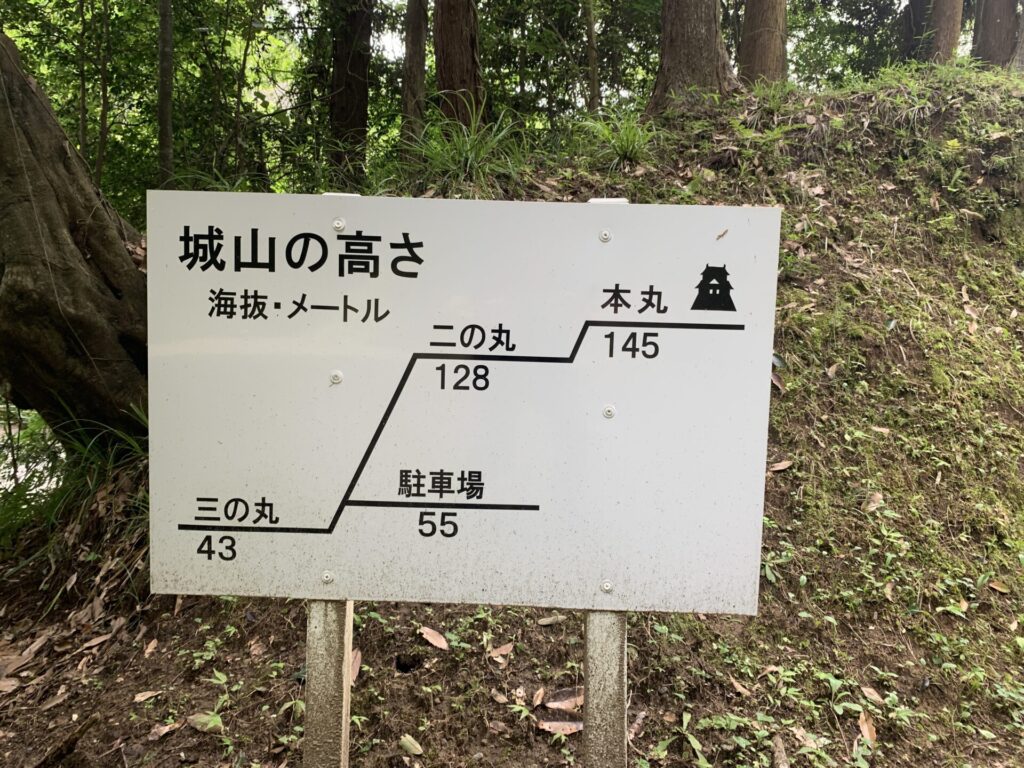
By the way, this shows the elevation up to the main enclosure.
The altitude itself isn’t particularly high,
but the climb is exhausting nonetheless 😅
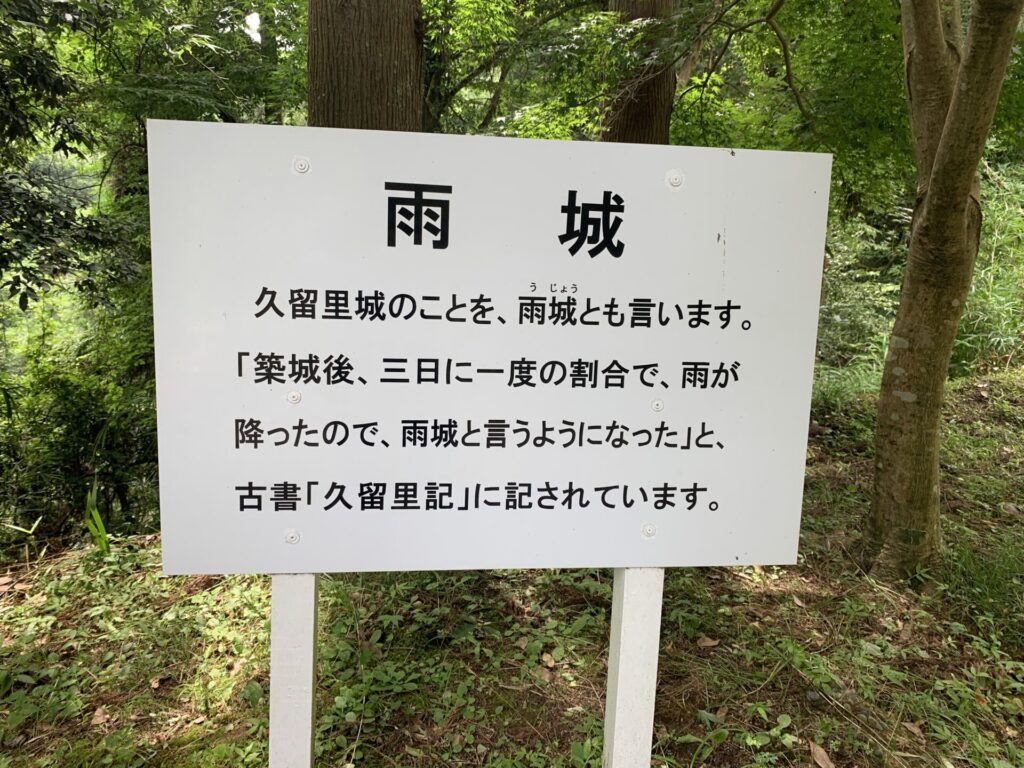
Kururi-jo is also known by the nickname “Ujo” — the Rain Castle.
It is said that the name came from the fact that, after the castle was built, rain fell once every three days.
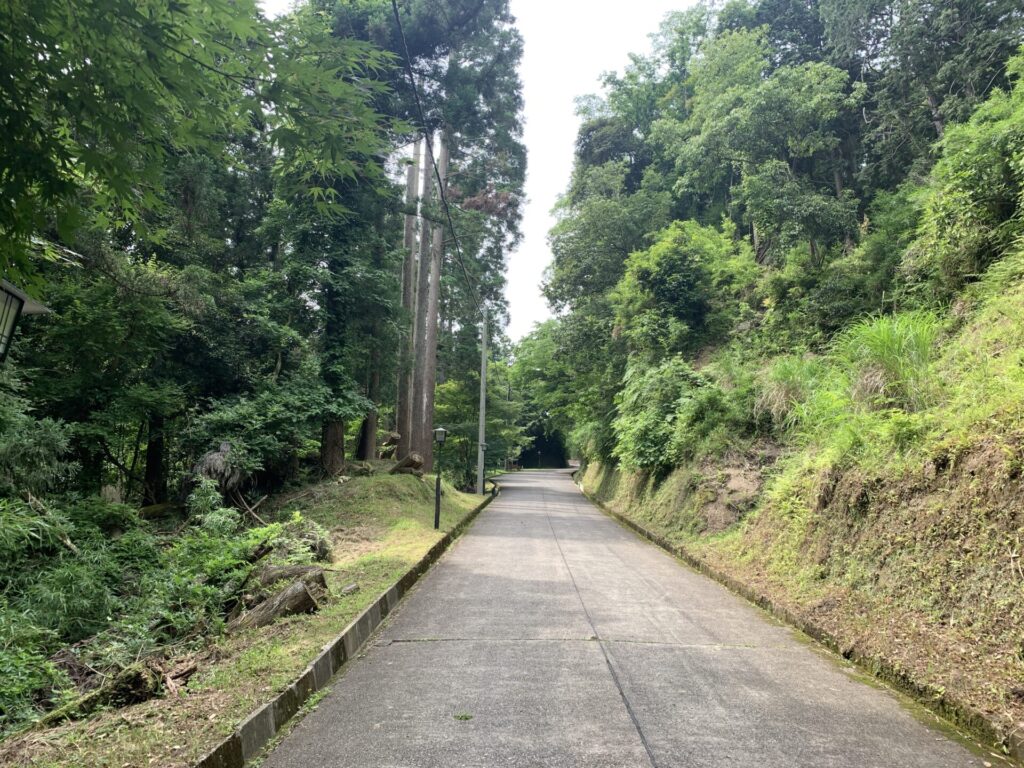
The steep uphill path continues for quite a while.
It’s best to take breaks along the way.
In fact, I myself had to stop and rest about three times while climbing..
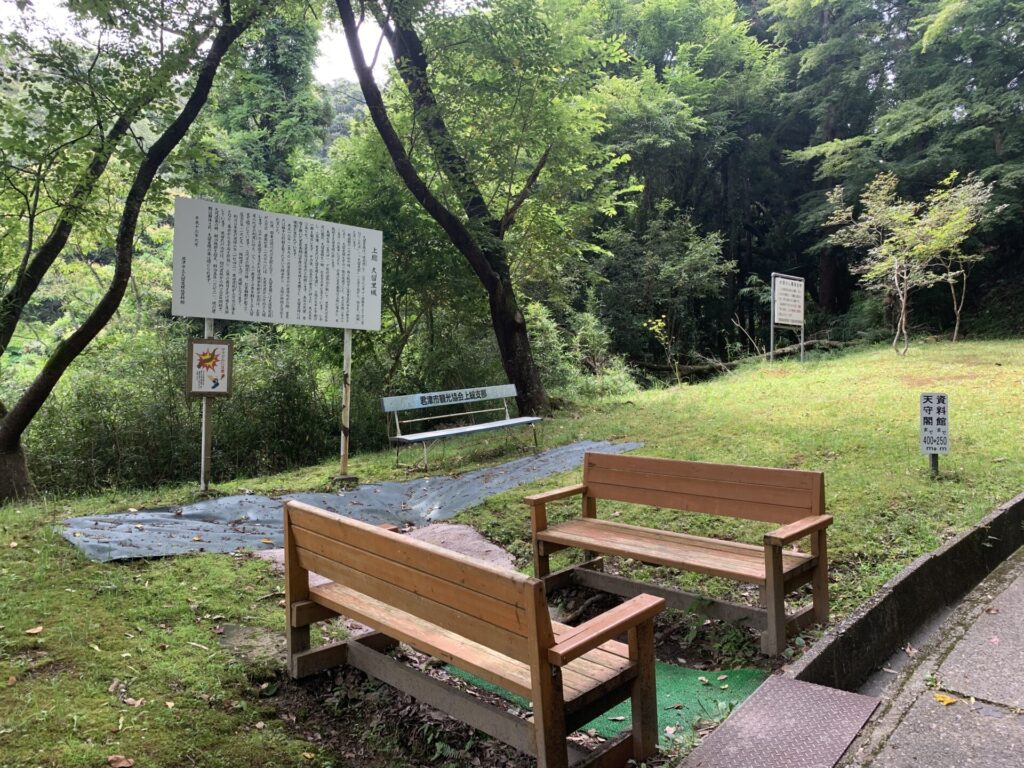
Perhaps they were installed to keep weary visitors from giving up on the steep climb…
There are even benches like these along the way.
And informational signboards as well.
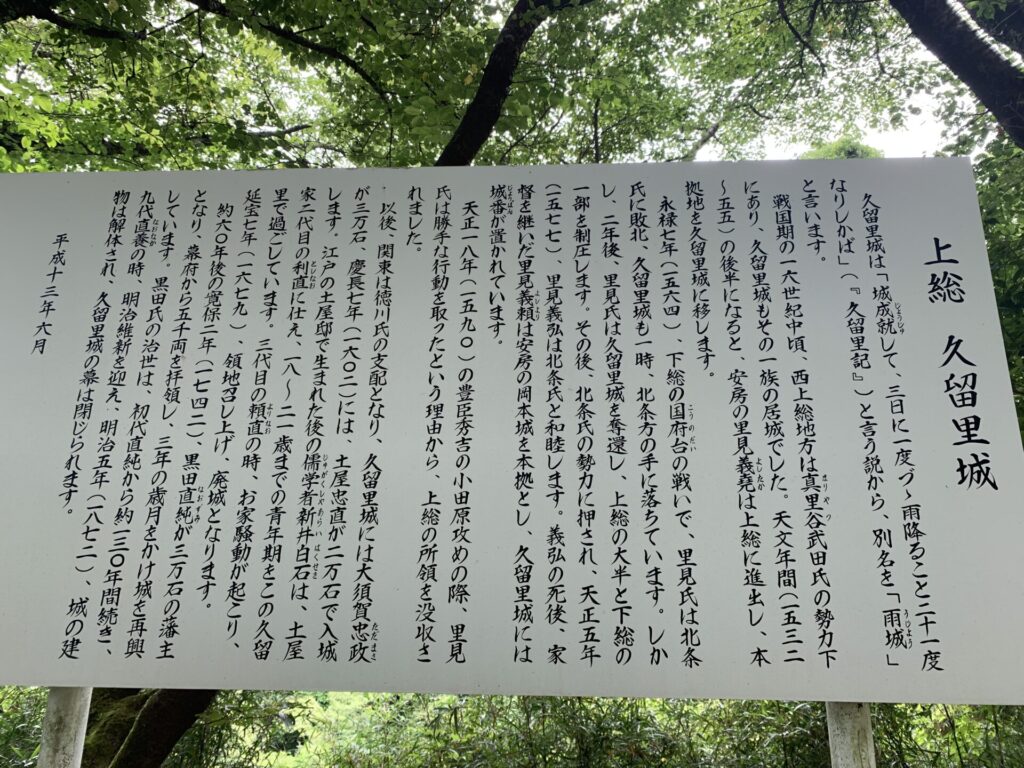
As explained here,
the Satomi clan, who ruled from Kururi-jo,
frequently fought against the Hojo clan.
It’s fascinating to learn that the Edo-period Confucian scholar Arai Hakuseki once spent time at this castle as well.
Viewing the ancient battlefield against the Hojo from the ruins of the Ninomaru Enclosure
Now then, after catching my breath, I continue climbing the slope.
From here on, the remains of Kururi-jo gradually begin to appear.
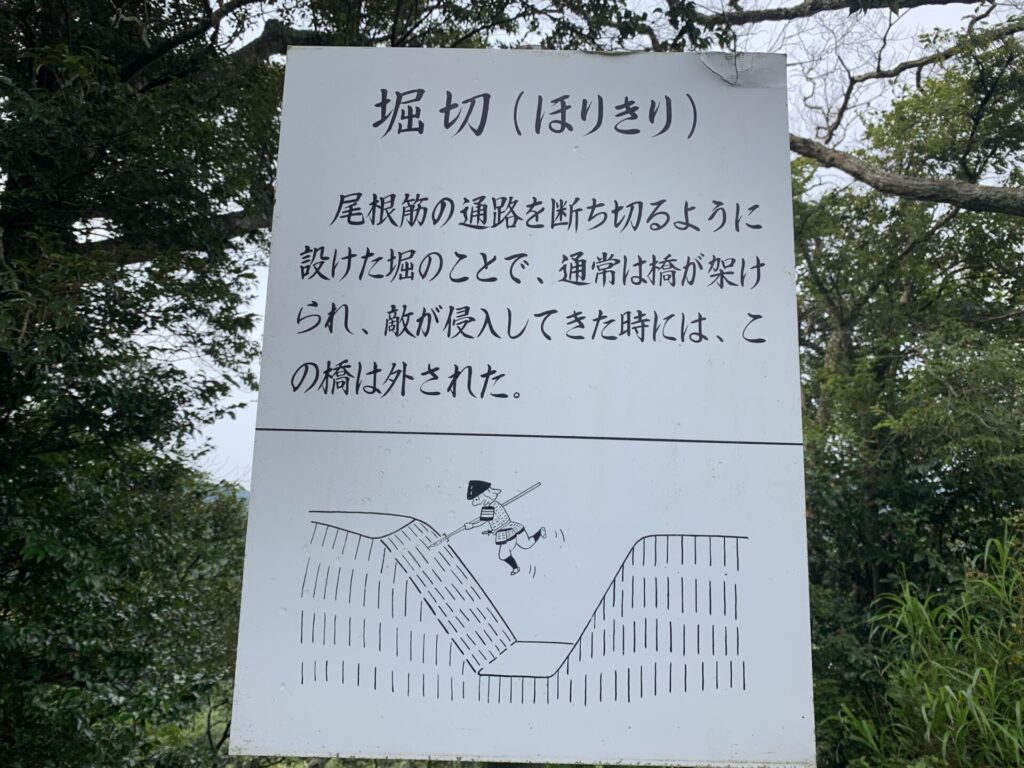
The first thing I noticed was this horikiri(堀切:dry moat).
As explained on the signboard, the ridge path — an easy route for climbing — was sharply cut through,
making it difficult for enemy soldiers to advance any further.
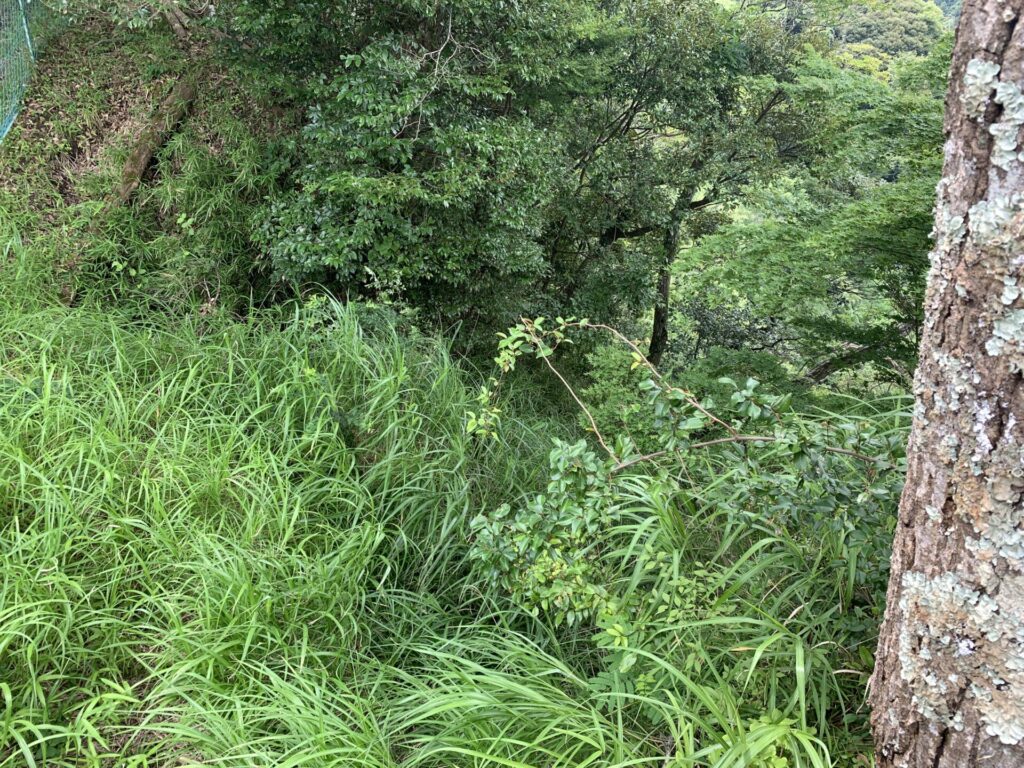
This is likely the horikiri(堀切:dry moat).
The area is heavily overgrown, so it’s difficult to say with complete certainty,
but the terrain clearly drops deeply at this point.
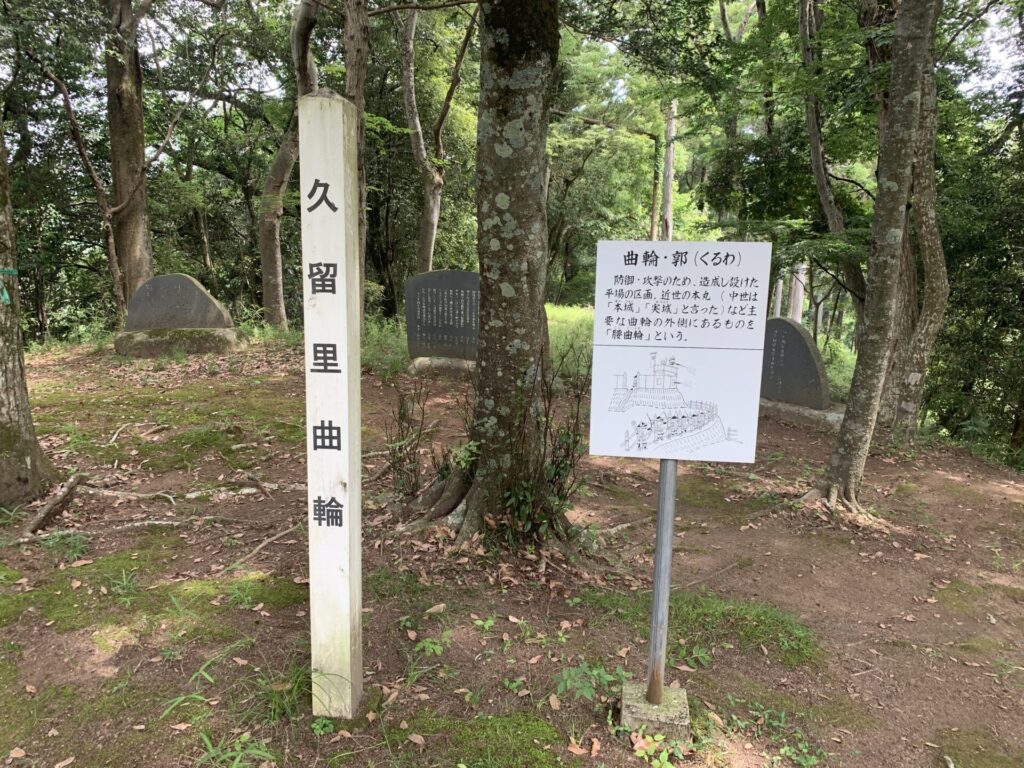
Almost directly across from it,
you’ll find this Kururi Kuruwa enclosure(久留里曲輪).
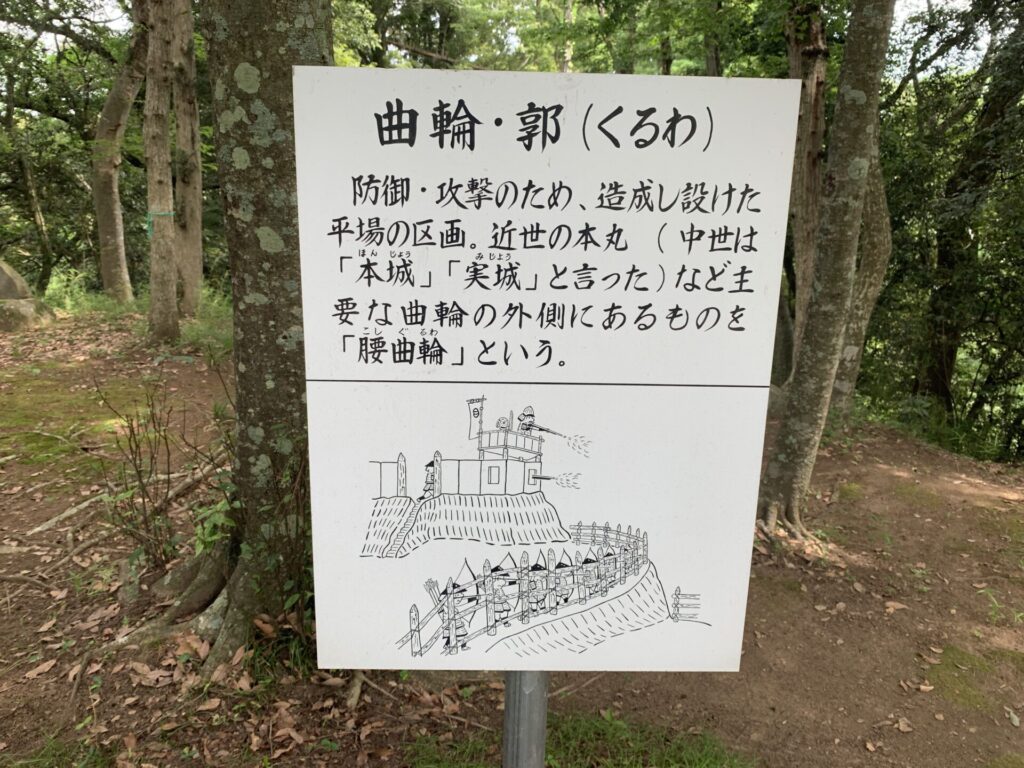
A kuruwa refers to a leveled enclosure built for both attack and defense within a castle.
Now then, please take a look at this video showing the Kururi Kuruwa enclosure(久留里曲輪) and its surrounding area.
As you can see, there is another flat area further inside,
which was likely used to confront invading enemy soldiers.
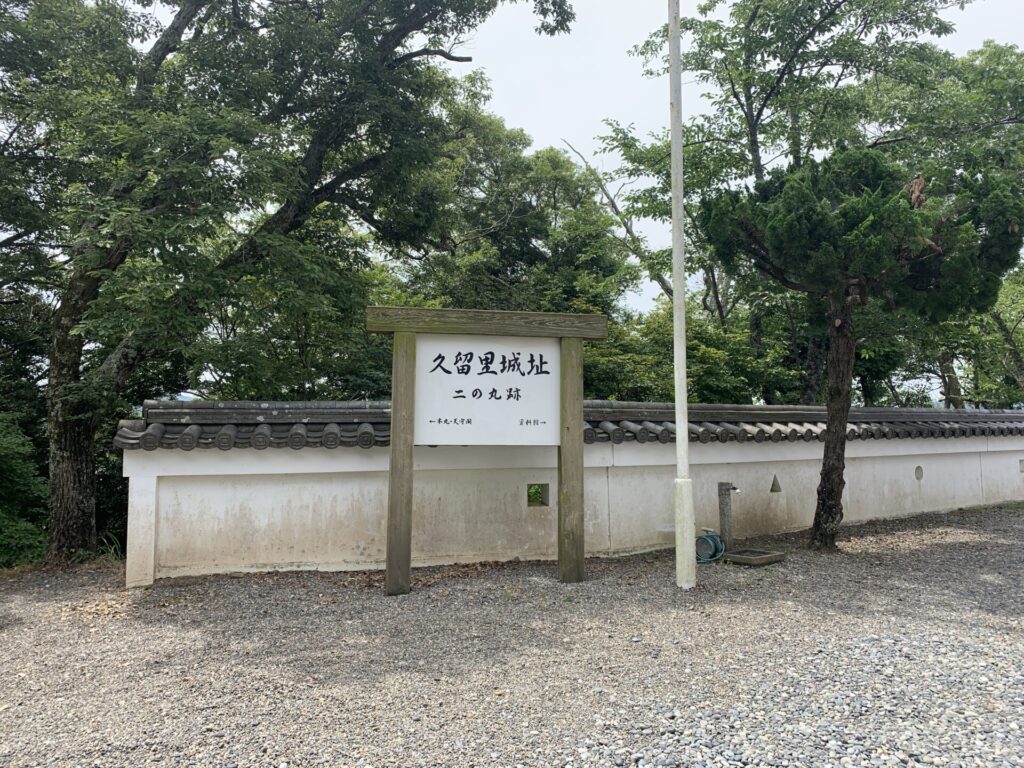
After finally conquering the steep slope, I at last arrived at the ruins of the Ninomaru(二の丸:second enclosure)!
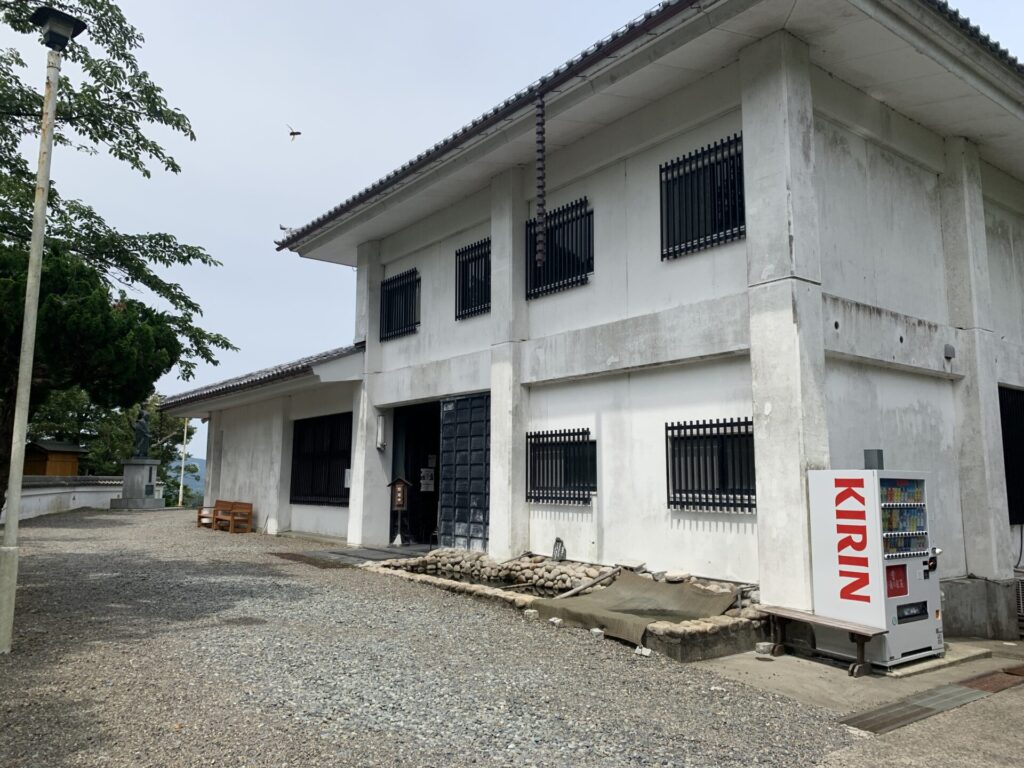
There is also a historical museum here dedicated to Kururi-jo.
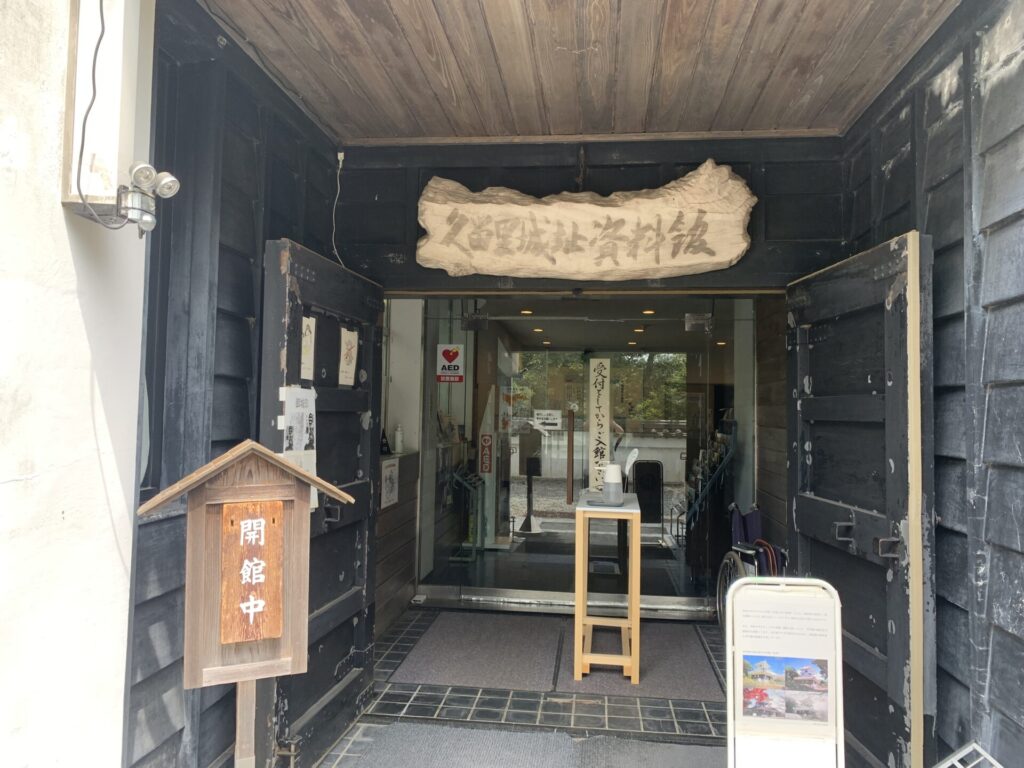
After checking in at the reception desk on the left side of the entrance,
you can explore the museum free of charge.
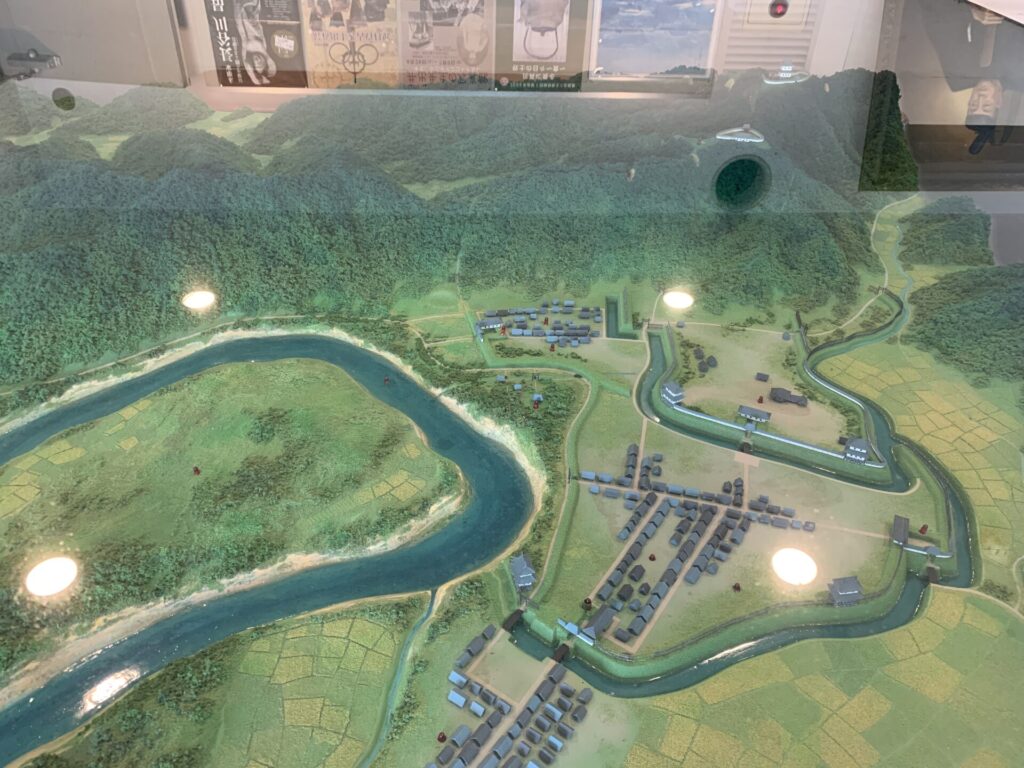
Inside, there is even a scale model of Kururi-jo and its castle layout…
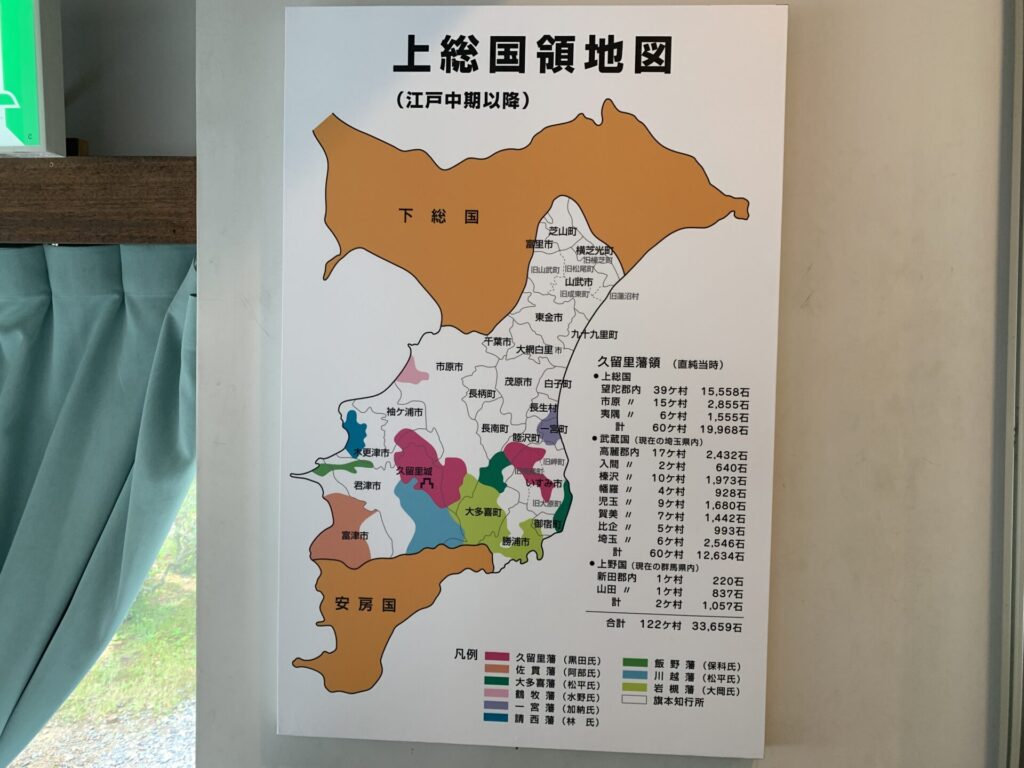
You can also see maps showing the territories once controlled in Kazusa Province.
Looking at them, you can truly understand how vast and prosperous these lands once were.
On the second floor, you’ll find various historical furnishings and artifacts on display as well.
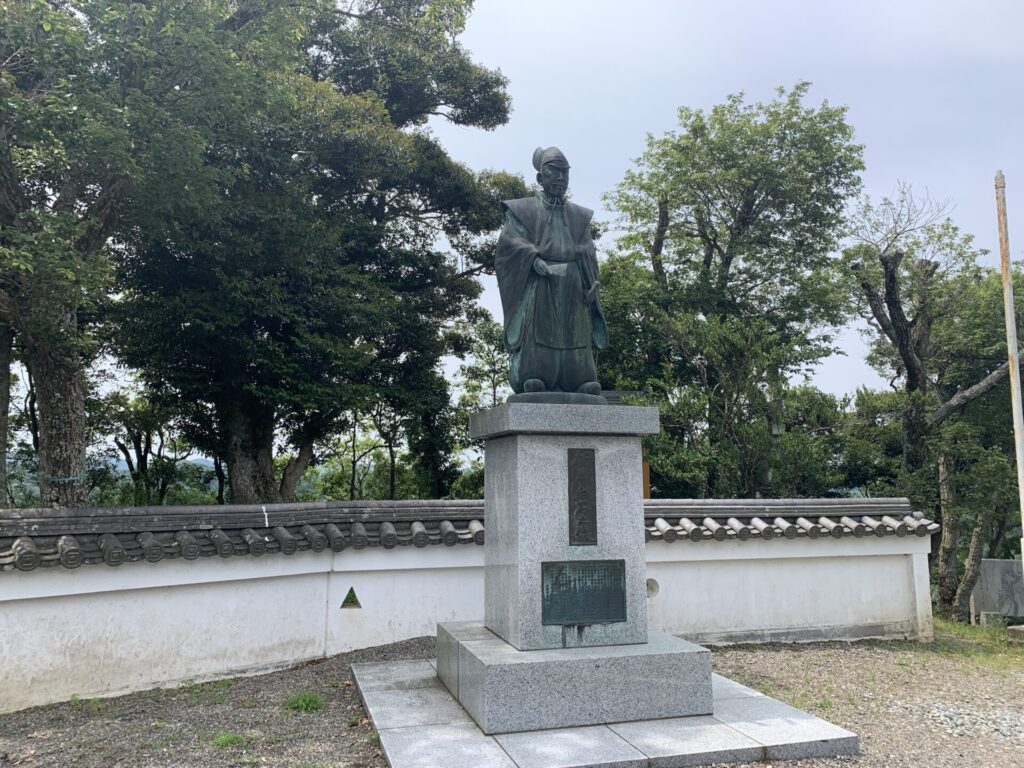
After leaving the museum and walking through the ruins of the Ninomaru(二の丸:second enclosure),
I also came across a bronze statue of Arai Hakuseki.
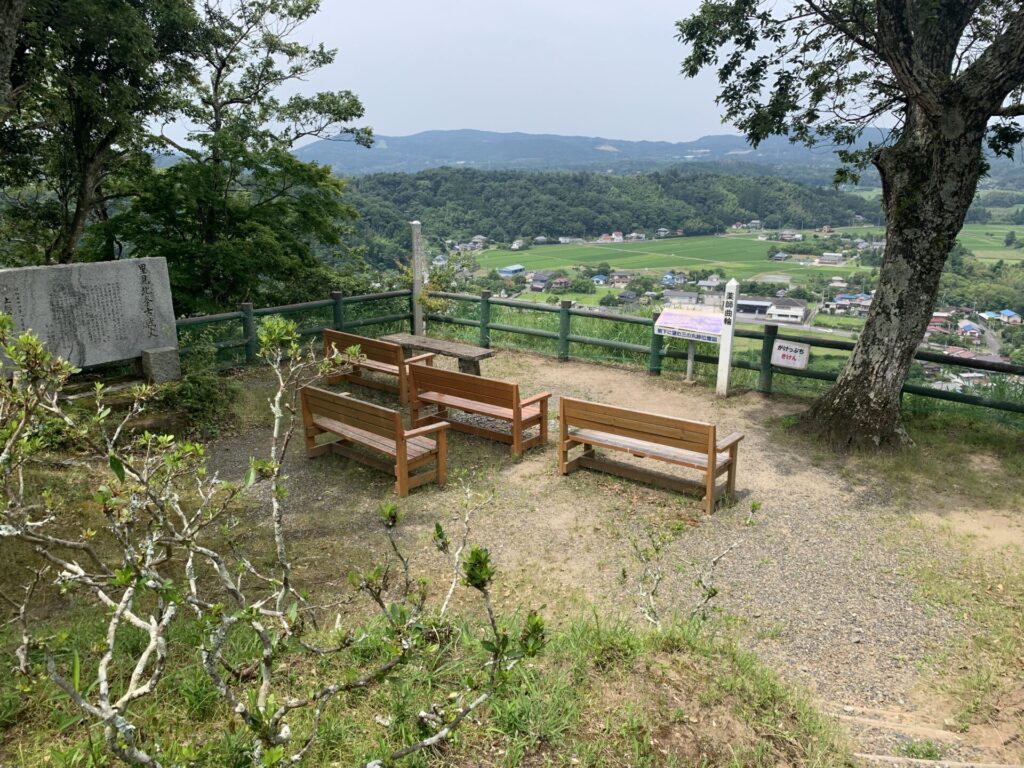
The Yakushi Kuruwa enclosure(薬師曲輪) lies slightly below the Ninomaru.
From here, it seems you can look down over the ruins of the Sannomaru(三の丸:third enclosure) and the surrounding area.
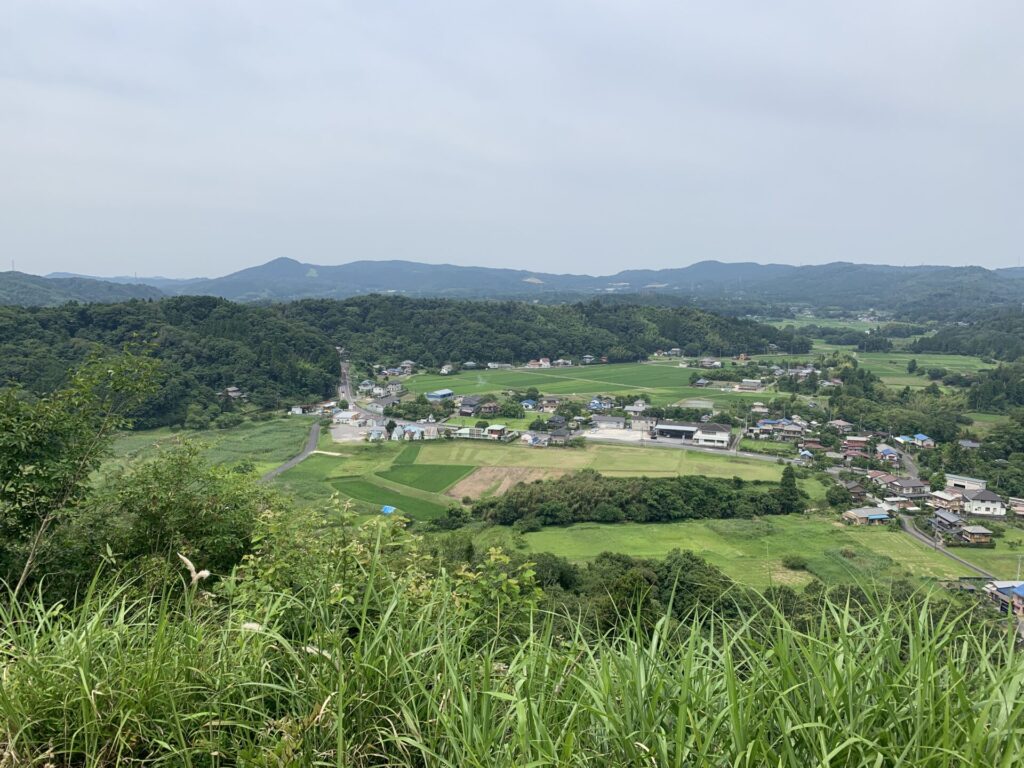
Looking down from here, the view is something like this..
Apologies that it’s a bit difficult to see,
but the area in the lower left is said to be the ruins of the Sannomaru(三の丸:third enclosure), while beyond the houses on the right lies the ancient battlefield where clashes with the Hojo clan once took place ⚔️
Now then, please take a look at the video from this spot as well.
Were you able to make out the ruins of the Sannomaru(三の丸:third enclosure) and the ancient battlefield against the Hojo clan?
As I gazed out over this landscape,
I couldn’t help but feel a deep sense of history while imagining what once took place here 😀
Now then, onward to the main enclosure of Kururi-jo !
Now, it’s finally time to push onward toward the ruins of the Honmaru(本丸:main enclosure)!
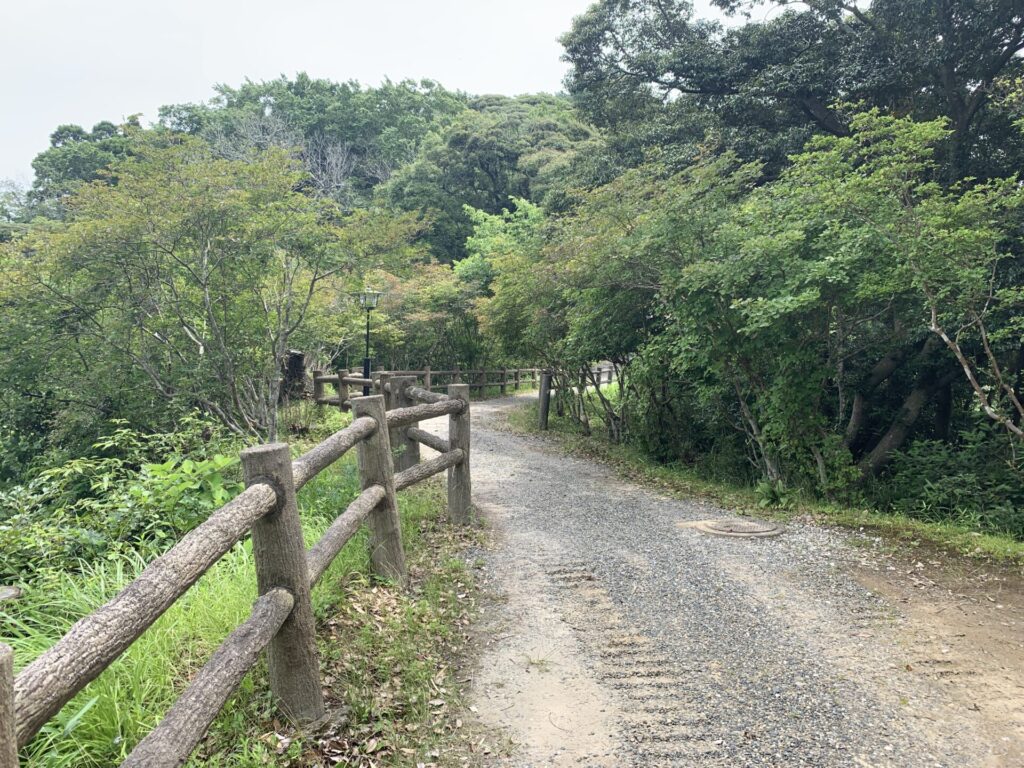
Following this path further uphill will lead you to the ruins of the Honmaru(本丸:main enclosure).
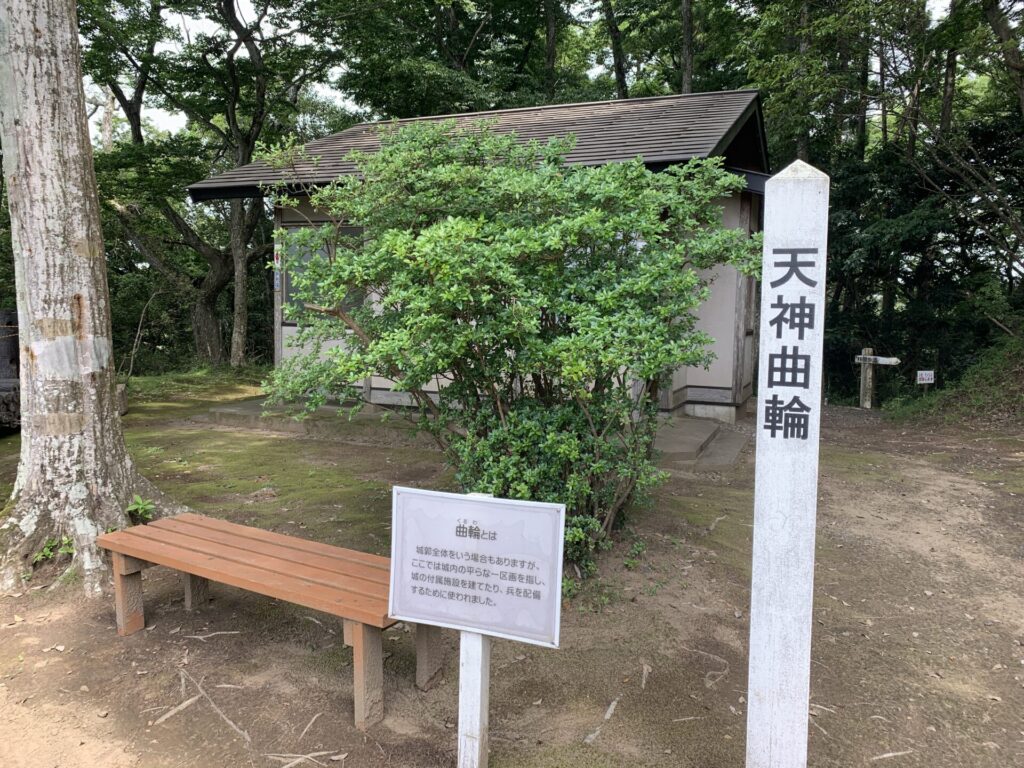
Along the way, there was also an enclosure known as the Tenjin Kuruwa(天神曲輪).
In addition to the Honmaru, Ninomaru, and Sannomaru, numerous kuruwa were positioned throughout key points of the castle.
It really makes you imagine how difficult this fortress must have been to attack.
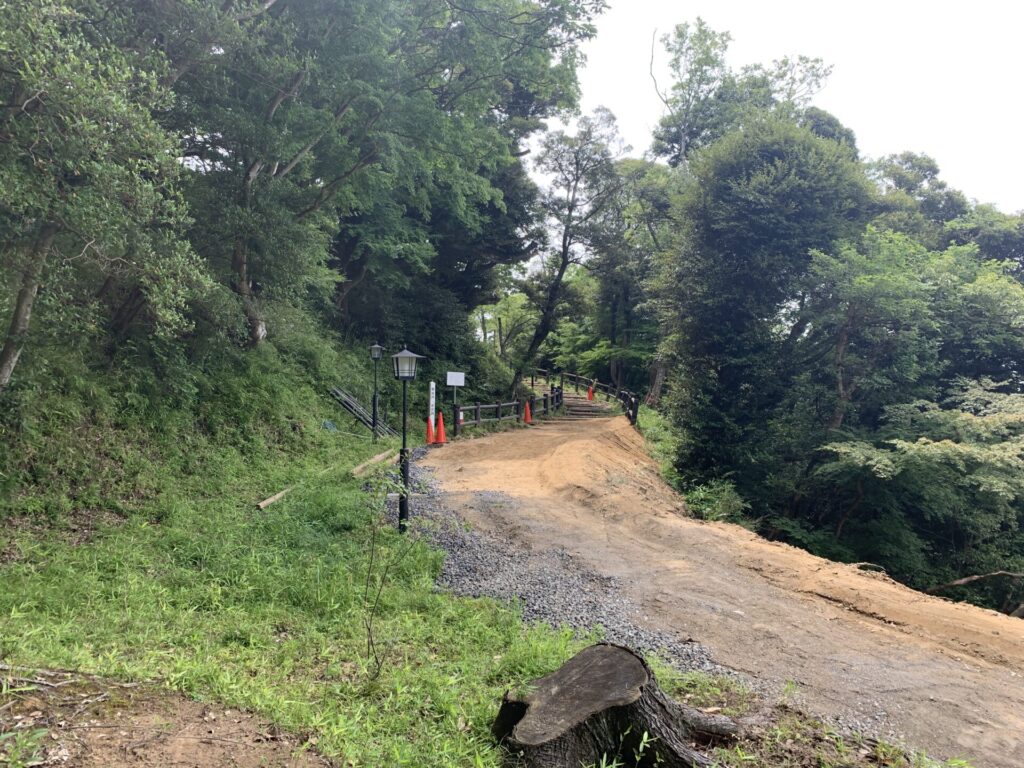
There’s still a bit more climbing ahead along this slope.
But compared to the steep ascent up to the Ninomaru, this stretch is much shorter.
At last, the castle keep came into view!
Though reconstructed, it is still an impressive structure.
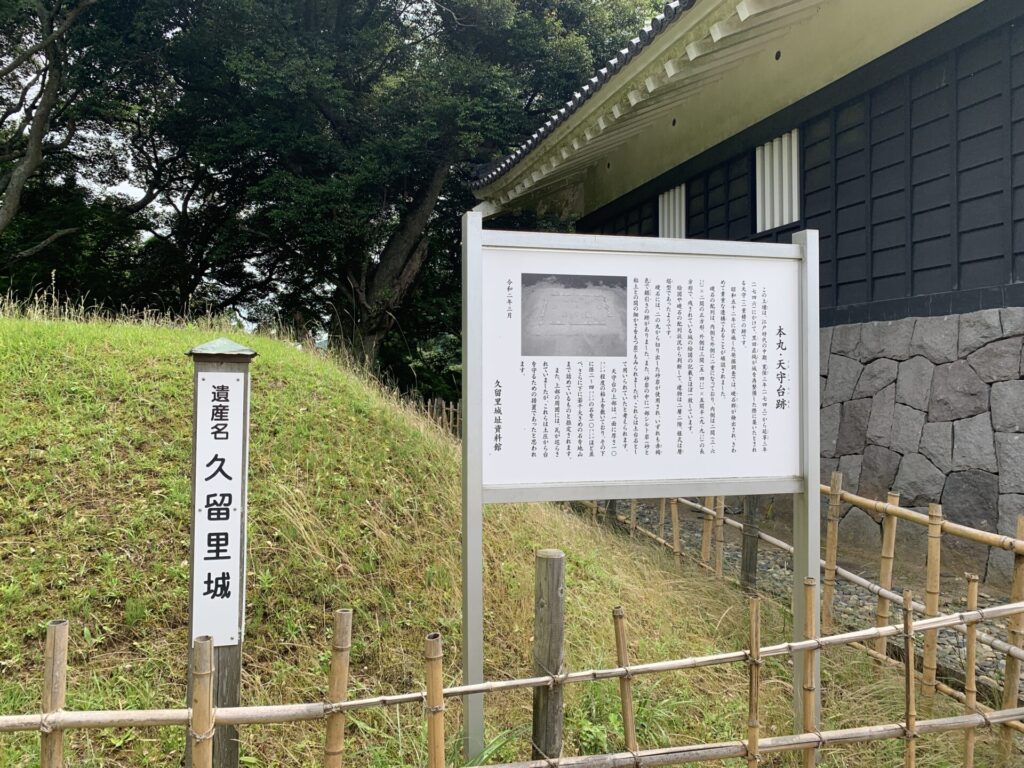
Beside the castle keep, there is also the remains of the original tenshudai, or castle keep foundation.
It is said to be the site of an actual two-story turret built by the Kuroda clan during the Edo period,
making it a particularly valuable historical remnant.
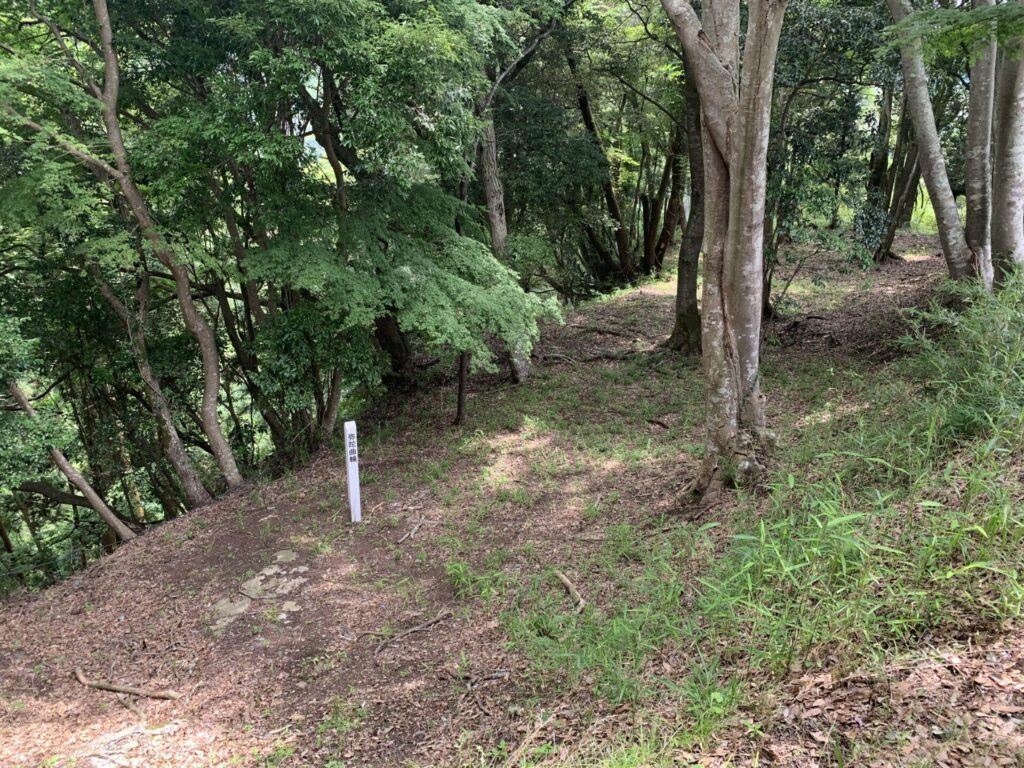
When I walked around to the back of the castle keep,
I found yet another kuruwa enclosure here as well!!
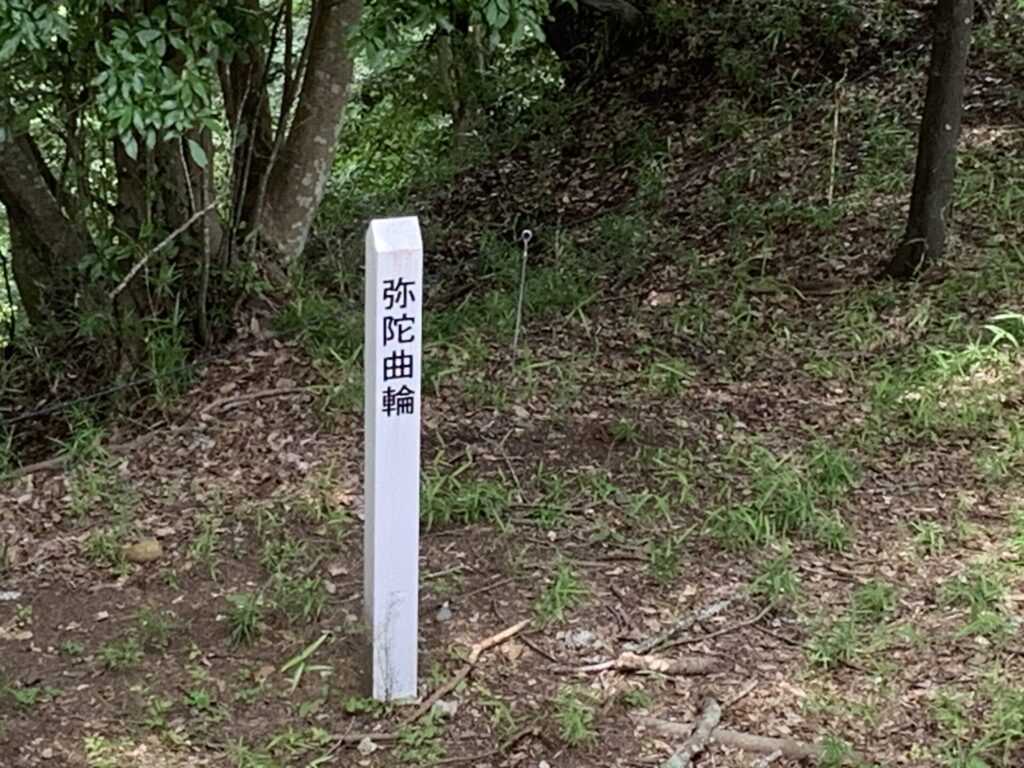
This area was known as the Mida Kuruwa(弥陀曲輪).
After all, a castle could be attacked from almost anywhere at any time.
Placing kuruwa enclosures throughout various points of the fortress was likely standard practice during the Sengoku era.
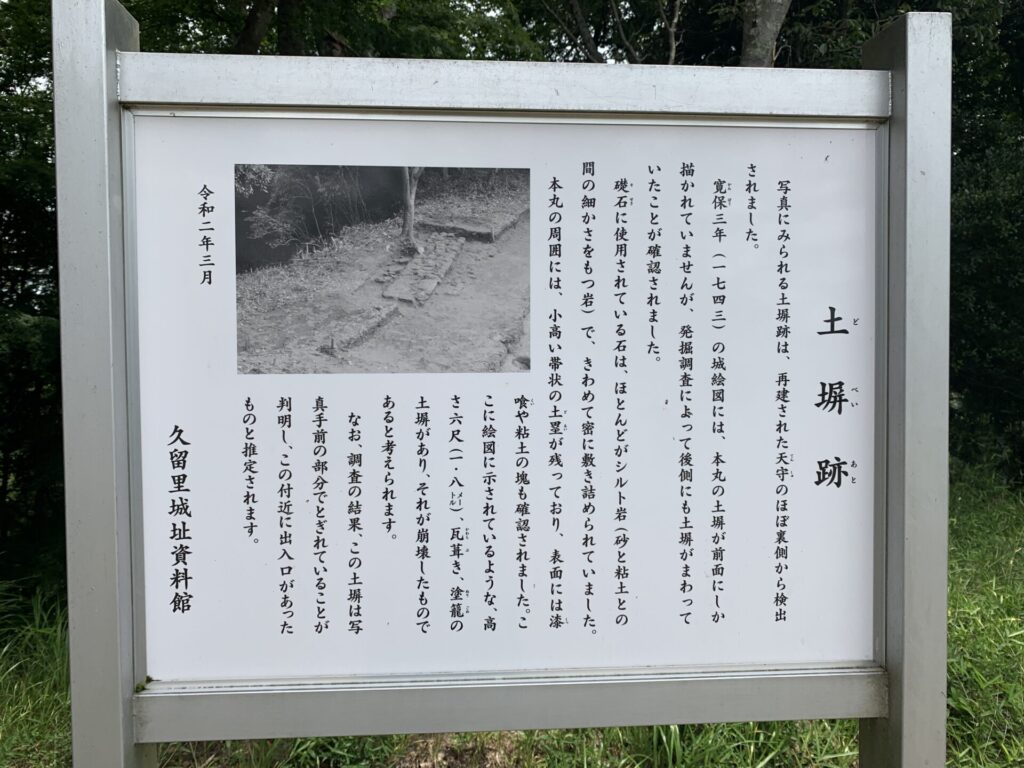
Further inside, there were even remains of an earthen wall.
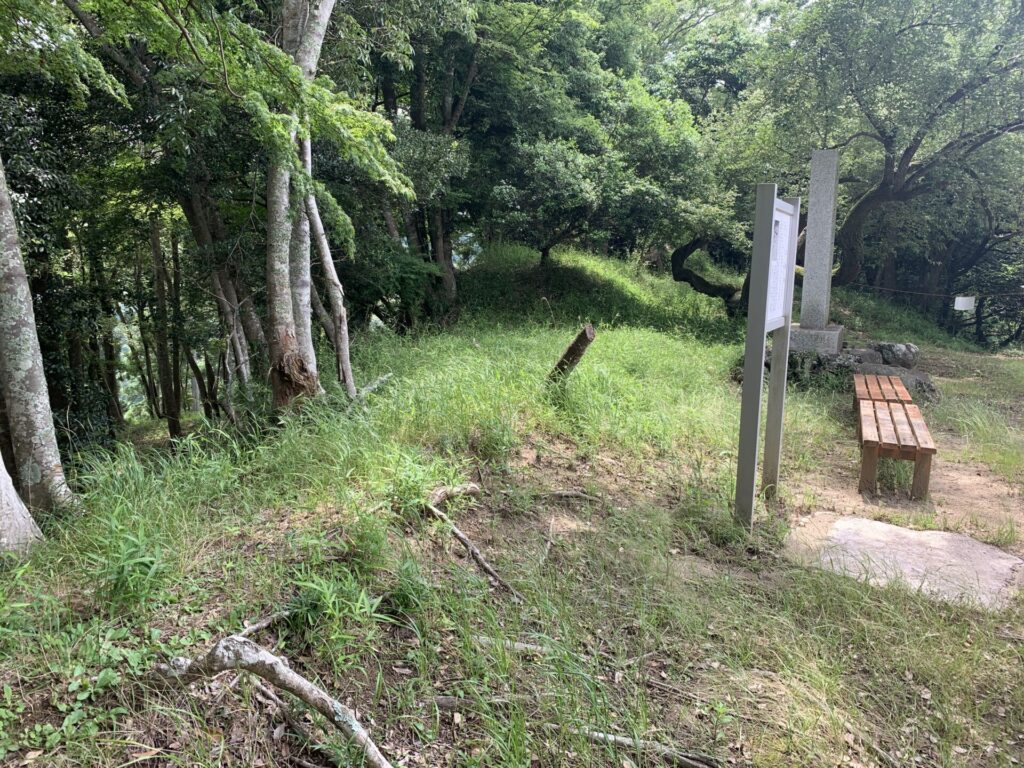
This slightly raised section is probably part of it.
Back then, it likely looked much more like a proper defensive wall.
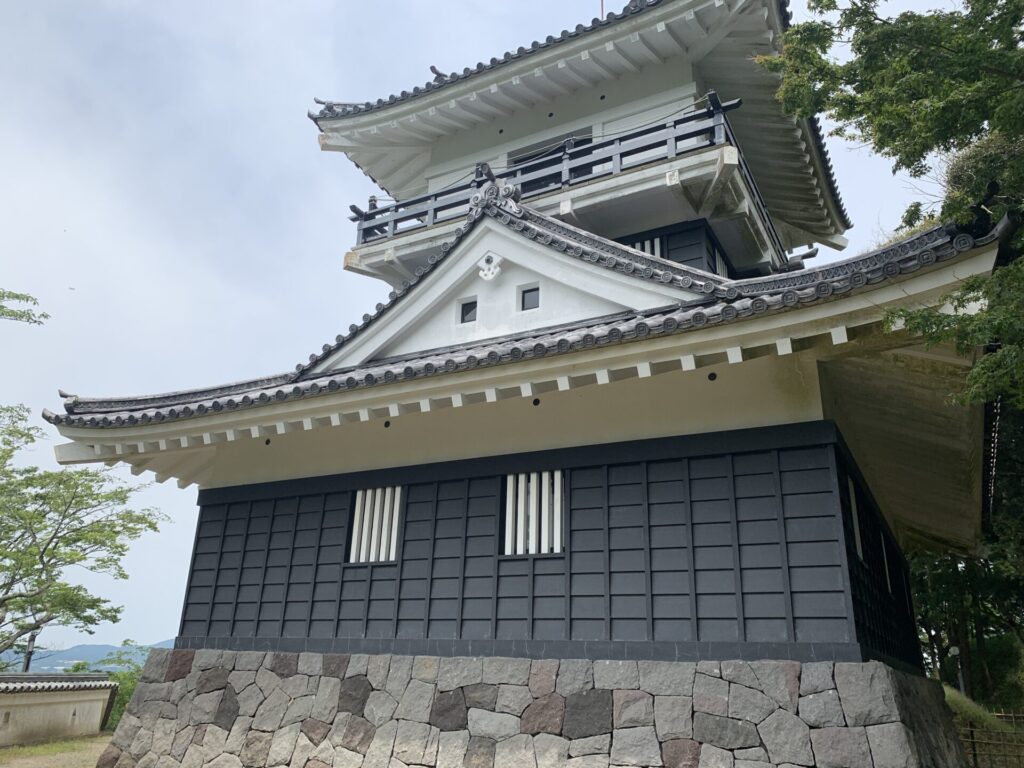
This is the castle keep viewed from the rear side.
Changing the angle gives it quite a different impression.
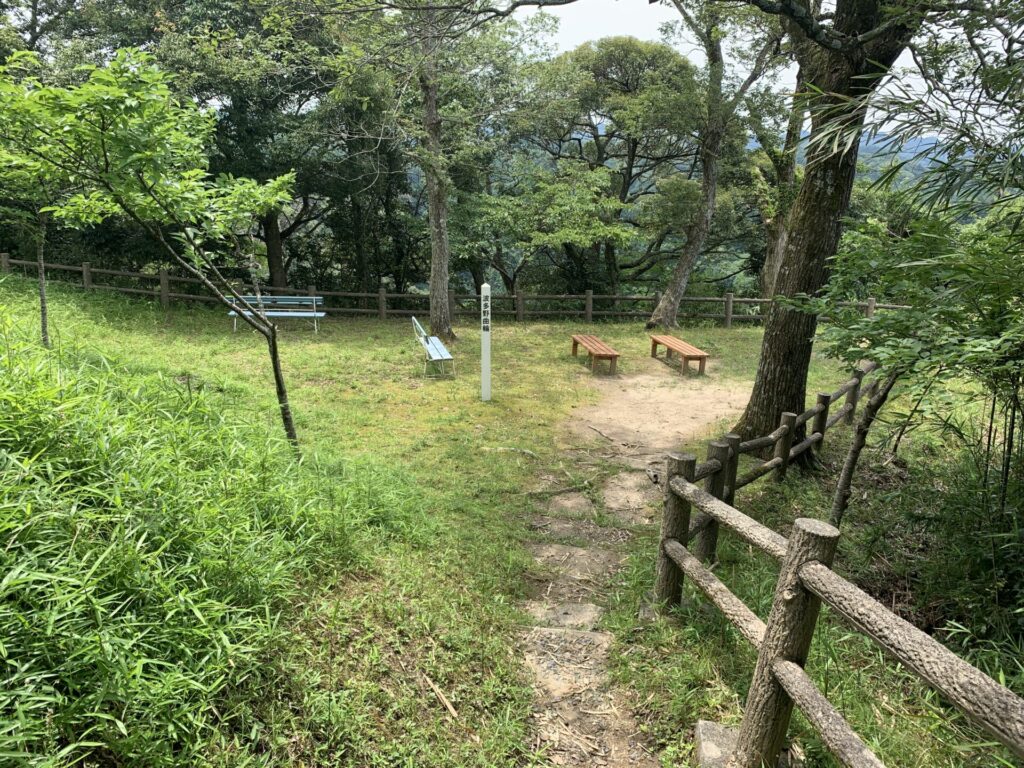
There is yet another kuruwa enclosure directly below the castle keep.
What an incredible number of defensive structures!!
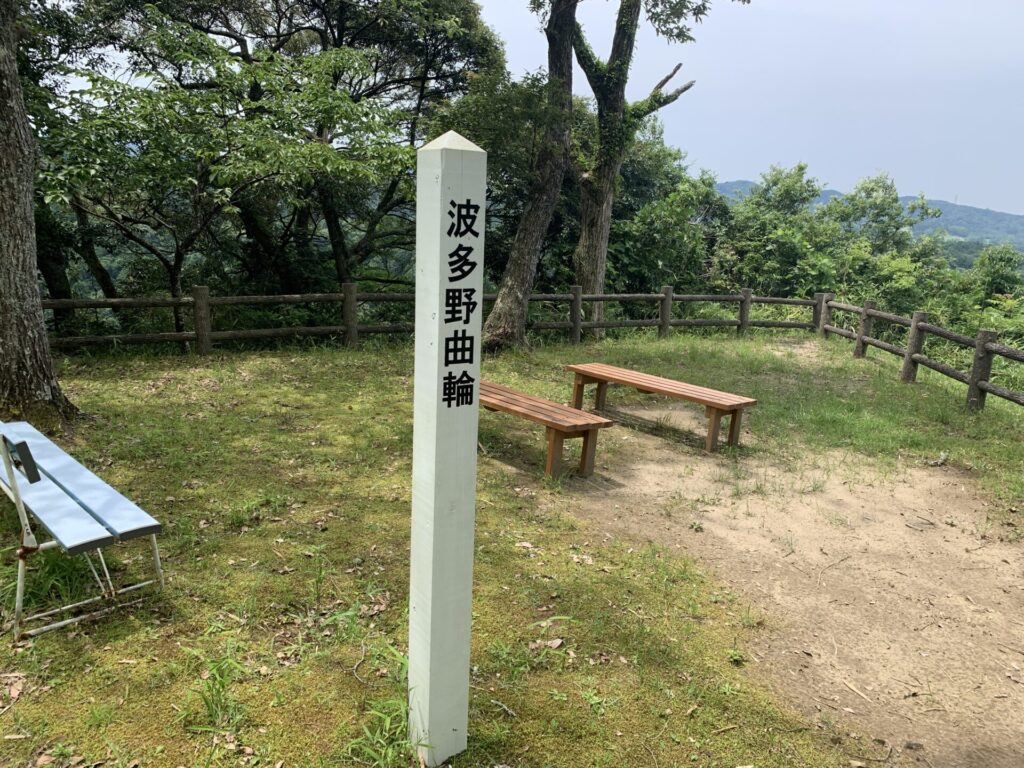
This area is called the Hatano Kuruwa(波多野曲輪).
At this point, the total number of kuruwa enclosures reaches five.
With its Honmaru, Ninomaru, Sannomaru, and all these additional enclosures, Kururi-jo must have been an extremely difficult castle to assault..
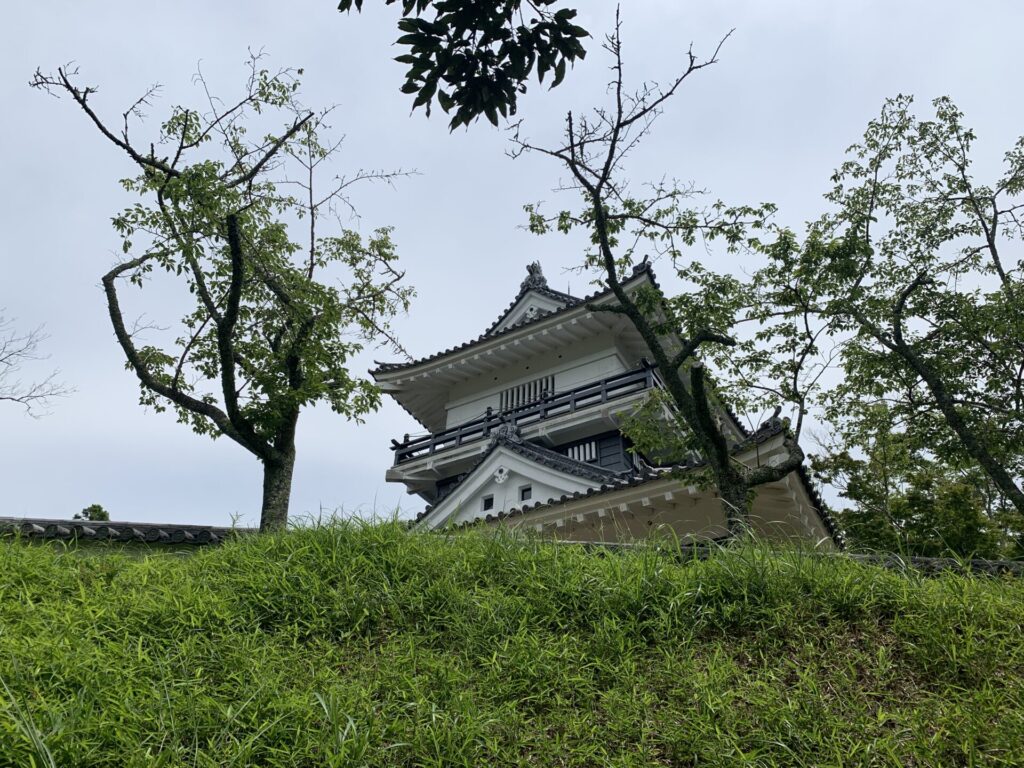
This is the view of the castle keep looking up from the Hatano Kuruwa(波多野曲輪).
As I reflected on the fierce struggles between the Satomi and Hojo clans,
I began my descent from the castle.
Until next time, see you in another article!!
👇You can also check out Otaki-jo, another famous castle in Kazusa Province👇
 https://sengokucastle.com/ootaki-jo/